Many freshers in Jaipur face the same situation after graduation. They have a degree, decent marks and a complete resume, but interview calls still remain limited. After sending several applications, one question starts to come up: if companies are hiring freshers, why is getting shortlisted still so difficult?
The answer is not that companies have stopped hiring. According to the TeamLease EdTech Career Outlook Report, 73% of employers planned to hire freshers in the first half of 2026. The bigger change is in what companies now expect from candidates.
A degree can help you enter the hiring process, but companies also want to see what you can actually do. Recruiters look at practical projects, problem-solving, communication and how comfortably you work with modern tools. This is where many freshers struggle because college learning is often more focused on theory than real workplace skills.
That gap is exactly what this article covers. We will look at the most wanted skills by companies and the five skills that can help freshers become more job-ready before their first interview.

What Skills Do Companies Look for in Freshers?
Companies no longer judge freshers only by marks, college name or percentage. They also check how well a candidate can perform in real situations through coding tests, group discussions and project reviews.
Most companies look for freshers who can solve problems, communicate clearly and learn new tools quickly. They also value basic digital and AI skills, along with good discipline and consistency at work.
The good part is that freshers can build these skills before their first interview. In 2026, companies want a balance of technical knowledge and strong human skills.
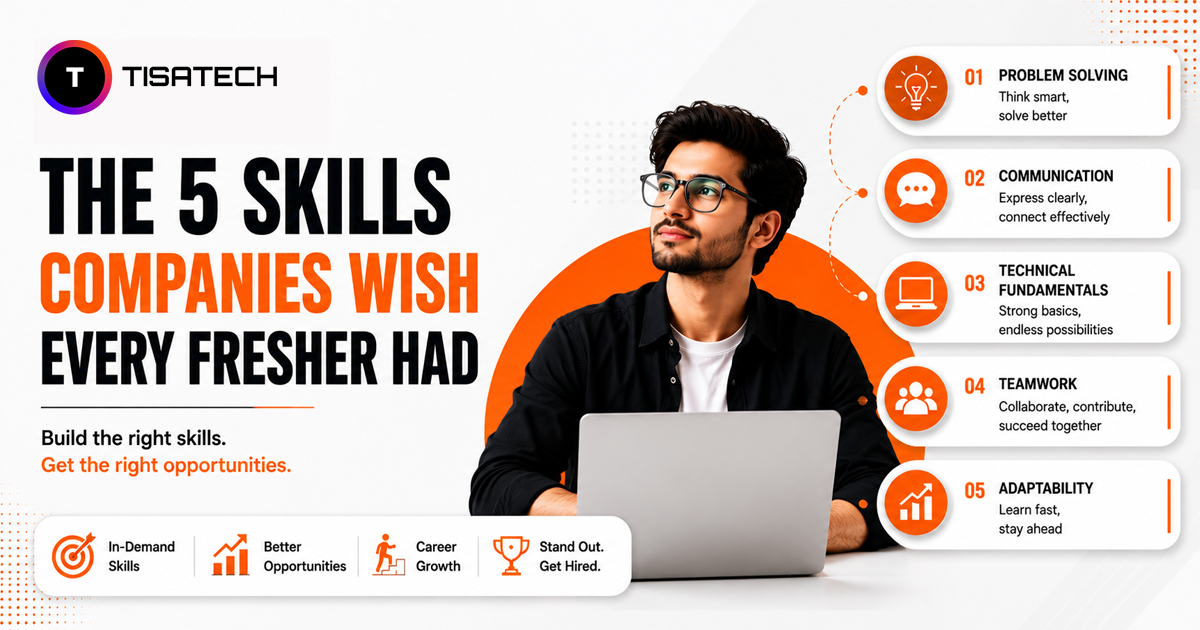
The 5 Skills Every Fresher Should Build
Companies do not expect freshers to know everything from day one. But they do look for a few basic skills that show how well a candidate can think, communicate and handle work. These five skills can make a clear difference during interviews and after joining a company.
1. Applied Problem-Solving
Companies value freshers who can understand a problem and think of a practical solution. They do not want someone who needs instructions for every small task. This skill is useful in coding tests, interviews and everyday work. Even without experience, a fresher who can explain how they solved a problem can stand out.
2. Clear Communication
Good communication is not only about fluent English. It is about explaining your ideas clearly so others can understand them easily. Freshers should know how to answer interview questions, write simple professional messages and explain their work to teammates or clients.
3. Adaptability and Willingness to Learn
Tools and technologies keep changing. Freshers need to be comfortable learning new software, frameworks and work processes. Being open to change makes it easier to adjust to a new job and grow with the company. This skill develops when you regularly practise and try new tools.
4. Digital and AI Skills
Digital tools are now part of almost every workplace. Freshers may need to use spreadsheets, collaboration platforms, project trackers and AI tools in their daily work. Knowing how to use these tools properly can save time and make work easier. Freshers should also know how to check AI-generated information instead of trusting every result.
5. Professional Work Ethics
Simple habits like being on time, meeting deadlines and taking responsibility matter a lot at work. Companies value freshers who complete their tasks properly and communicate when something goes wrong. These habits help build trust with managers and teammates.
Together, these are some of the most important must-have fresher skills in 2026. Building them along with technical knowledge can help freshers become more confident and better prepared for their first job.
What Extra Skills Do IT Freshers Need?
IT freshers need more than basic academic knowledge. Recruiters also look for practical skills related to the field a student wants to enter.
Freshers should have hands-on project experience and working knowledge of the tools and technologies used in their chosen field. They should also understand basic problem-solving, databases, version control tools like Git and how to work with shared project tools.
Debugging and troubleshooting skills are also useful because real IT work often involves finding and fixing problems. One complete project that you can explain clearly is usually more valuable than several unfinished projects.
These practical skills help freshers show that they can apply what they have learned and handle real work more confidently.





How Can Freshers Improve Their Chances of Getting Hired?
Freshers can improve their hiring chances by focusing on a few practical areas:
- Build strong projects: Create two or three complete projects that clearly show your skills.
- Improve communication: Learn to explain your ideas and project work in simple words.
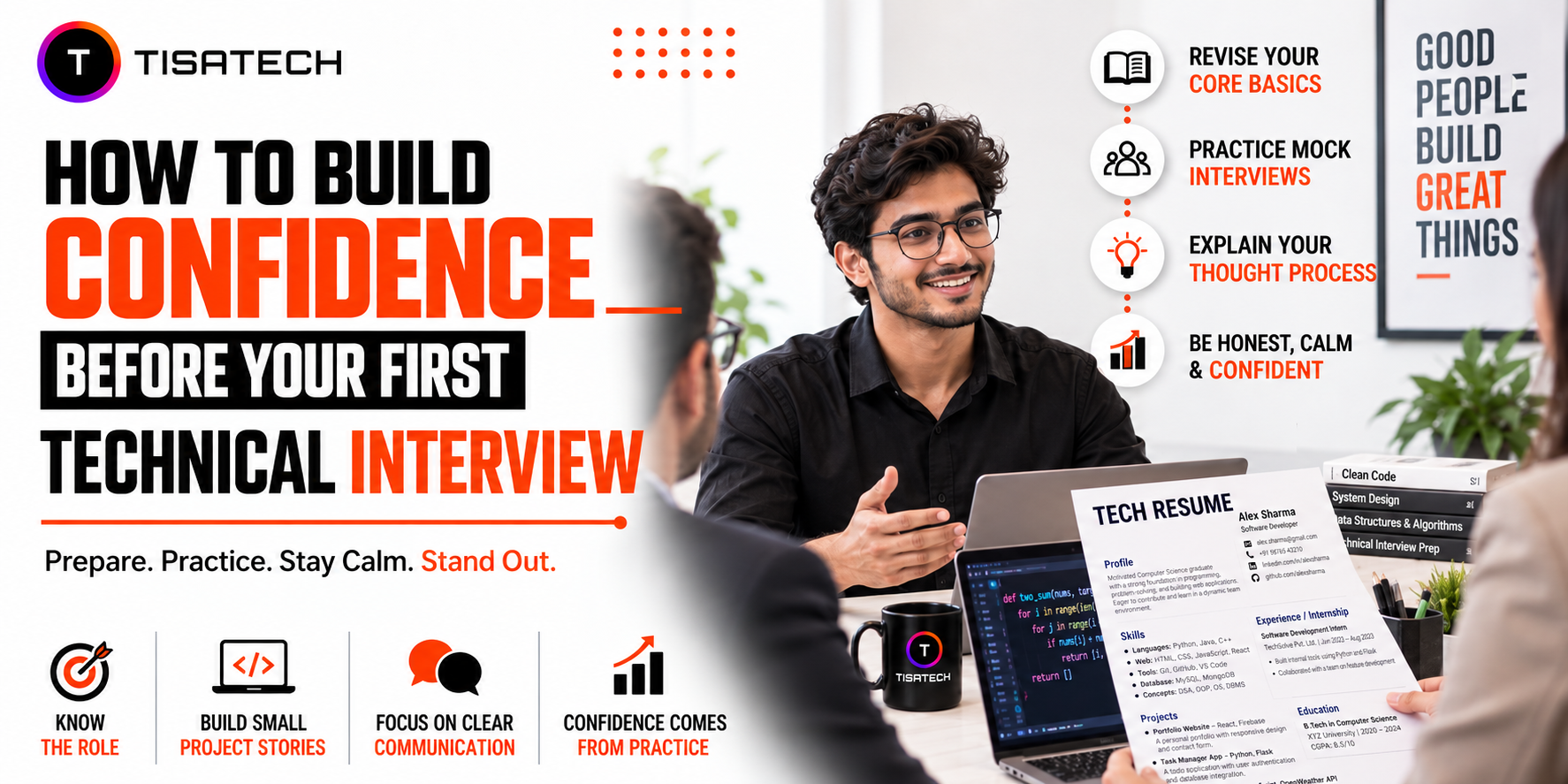
- Practise mock interviews: Regular practice can improve confidence and help you answer questions better.
- Maintain the right attitude: Be open to feedback, learning and new responsibilities.
- Apply consistently: Do not depend on one or two applications. Keep applying and follow up when needed.
- Choose practical training: Industry-focused training can help you build skills that companies actually expect from freshers.
How Does TISA-TECH Help Freshers Build Job-Ready Skills?
TISA-TECH is one of the best IT training institutes in Jaipur for freshers who want to build practical and job-ready skills. The training focuses on real practice instead of only classroom theory.
Students work on coding tasks, projects and practical assignments that help them apply what they learn. They also get interview preparation and guidance to present their skills and projects clearly. Training is available in areas such as AI/ML, Data Science, Full Stack Development, Cloud Computing, Digital Marketing, Graphic Design and UI/UX Design.
TISA-TECH also offers placement support through 50+ hiring partners, giving students more opportunities to connect with companies.
Conclusion
In 2026, companies look beyond degrees and resumes. They want freshers who can solve problems, communicate clearly, adapt to change, use digital and AI tools, and work responsibly. These skills can be built with regular practice and the right guidance. Freshers who start building them early can become more job-ready and improve their chances of getting hired.