Backlinks still matter in SEO in 2026, but building them safely is more important than ever. Google has become much better at identifying unnatural link patterns, paid links, automated link building, and other practices designed mainly to manipulate rankings. Its official spam policies clearly warn against buying links for ranking purposes, excessive link exchanges, and automated link creation.
At the same time, backlinks have not lost their value. A recent PressWhizz link building guide explains that links from relevant and trustworthy websites can still improve rankings, authority, referral traffic, and brand visibility. The difference in 2026 is that quality and relevance matter far more than simply collecting a large number of links.
So, how to build backlinks in 2026 without putting your website at risk? The answer is to stop treating backlinks like numbers and start earning links that make sense naturally. A relevant editorial mention from a genuine industry website can provide more SEO value than dozens of random directory or low-quality links.
This guide explains practical and Google-safe backlink building strategies that can help you earn high-quality links, improve website authority, and support long-term SEO growth without relying on spammy shortcuts.

Why Do Backlinks Still Matter for SEO in 2026?
A backlink still acts as a trust signal. When one website links to another, it tells Google that the linked content may be useful or credible. What has changed is how carefully Google now evaluates that signal.
Link building still works in 2026, but only when links look natural and relevant. Google now considers context, topical relevance, and link quality before giving a backlink value. This is why one genuine editorial link from a relevant website can be more valuable than many random links from unrelated directories.
The focus has clearly shifted from quantity to quality. Google is not just counting backlinks anymore; it is judging how relevant and trustworthy they are.
How to Build Backlinks in 2026 Without Getting Penalized
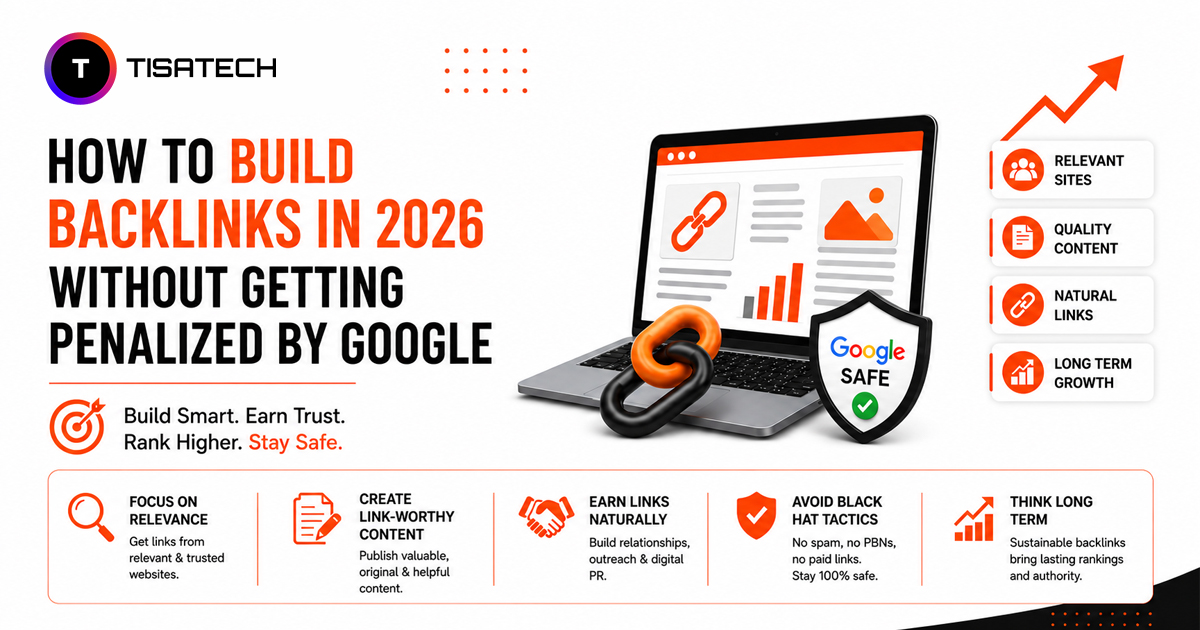
Backlink building in 2026 should focus on relevance, trust, and real value. The goal is not to collect as many links as possible. A few strong backlinks from relevant websites can be more useful than hundreds of low-quality links. The safest approach is to create useful content, reach the right websites, and earn links naturally.
1. Create Content That Others Can Actually Use
Create content that gives other websites a clear reason to link to you. Original research, case studies, detailed guides, templates, tools, and useful industry insights usually attract better backlinks because they offer something worth referencing.
2. Get Links From Relevant Websites
A backlink becomes more valuable when it comes from a website related to your industry or topic. For example, an SEO website should focus on links from marketing, business, or technology platforms rather than unrelated websites. Relevance and quality should matter more than authority scores alone.
3. Use Guest Posting Carefully
Guest posting can still be useful when you contribute valuable content to trusted websites in your niche. Choose platforms with a real audience, write for their readers, and add links only where they fit naturally. Avoid websites that publish low-quality guest posts mainly for backlinks.
4. Find Broken Link Opportunities
Broken link building gives you a chance to help another website while earning a relevant backlink. Find outdated or broken links on useful pages and suggest your content as a replacement when it closely matches the original resource.
5. Build Real Industry Relationships
Strong backlinks often come from genuine connections. Build relationships with bloggers, journalists, founders, marketers, and website owners in your industry. Personalized outreach works better than sending the same backlink request to hundreds of websites.
6. Use Trusted Directories Only
Relevant business and industry directories can still be useful, but choose them carefully. Focus on established platforms that people actually use and avoid random directories created mainly for link submissions.
7. Keep Anchor Text Natural
Do not use the same exact keyword in every backlink. A natural backlink profile can include brand names, URLs, page titles, and relevant descriptive phrases. Too much exact-match anchor text can make your link profile look forced.
8. Check Your Backlink Profile Regularly
Use Google Search Console or other SEO tools to see where your backlinks are coming from. Watch for unusual patterns, irrelevant websites, or links created through older SEO campaigns. A few random spam links are usually less important than a repeated pattern of manipulative link building.
9. Use More Than One Link-Building Method
Do not rely only on guest posts or directories. A healthy backlink profile can include editorial mentions, resource pages, digital PR, partnerships, research citations, business listings, and links earned through useful content.
10. Avoid Quick Link-Building Shortcuts
Stay away from link farms, bulk backlink packages, private blog networks, excessive link exchanges, spammy directories, and paid links created mainly to manipulate rankings. These tactics may increase backlink numbers quickly, but they can create serious long-term SEO risks.
What Are the Best Backlink Building Strategies for 2026?
The best backlink strategies in 2026 focus on earning relevant links through useful content, strong outreach, and genuine industry value rather than chasing backlink numbers.
- Original Research: Publish surveys, case studies, or industry data that other websites can cite.
- Digital PR: Share useful insights or expert opinions with journalists and publications to earn genuine mentions.
- Unlinked Brand Mentions: Find websites that mention your brand without a link and request one where relevant.
- Resource Page Outreach: Suggest your useful guides, tools, or research to relevant resource pages.
- Competitor Backlink Analysis: Check where competitors earn quality links and find similar opportunities.
These strategies help build a natural and trustworthy backlink profile without relying on risky shortcuts.
How to Build High-Quality Backlinks in 2026?
Building high-quality backlinks in 2026 starts with choosing websites that are relevant to your niche and have a genuine audience. A backlink should fit naturally within useful content instead of being added only for SEO.
Before targeting a website, check its organic traffic, topical relevance, content quality, and backlink profile using tools like Ahrefs or SEMrush. Also review whether the linking page is active, indexed, and related to the page you want to promote.
Focus on earning a smaller number of relevant, editorially placed backlinks rather than collecting links from unrelated or low-quality websites. This approach creates stronger SEO value and a more trustworthy backlink profile.
DoFollow or NoFollow: Which Backlinks Actually Help in 2026?
Both DoFollow and NoFollow backlinks can be useful, but they serve different purposes.
- DoFollow backlinks pass ranking value and can directly support SEO performance. This is why they are usually the main focus of backlink building.
- NoFollow backlinks may not pass the same direct ranking value, but they can still bring referral traffic, improve brand visibility, and create opportunities for future mentions.
A natural backlink profile usually contains both DoFollow and NoFollow links. If every backlink is DoFollow and uses the same type of anchor text, the profile can look unnatural. A healthy mix of link types, along with branded and generic anchor text, looks more genuine.
NoFollow links should not be ignored. They can still bring real visitors, increase brand exposure, and support long-term authority.





Build These Skills the Right Way With TISA-TECH
Learning backlink strategies is only the first step. Students understand them better when they apply those strategies to real projects and see how each decision affects SEO performance.
TISA-TECH offers a hands-on digital marketing course in Jaipur where students practise SEO, content, outreach, anchor text selection, and link building through real client work. This practical approach makes it a strong option for students looking for the best place to learn SEO backlink building techniques with mentor guidance.
The training also helps students evaluate websites, choose safer backlink opportunities, manage outreach, and build stronger authority profiles. Along with practical learning, students also receive placement support to help them prepare for real digital marketing roles and client projects.
Final Thoughts
Backlink building in 2026 works best when you focus on quality, relevance, and consistency instead of quick results. Useful content, genuine outreach, and links from trusted websites can strengthen your backlink profile over time.
Avoid shortcuts such as bulk link packages, spammy directories, and other manipulative tactics. A smaller number of relevant and naturally earned backlinks can provide more long-term SEO value than a large number of low-quality links.
The goal is to build authority gradually through links that make sense for both users and search engines.
FAQs Section
Ans. Yes. Backlinks remain one of Google’s top ranking signals in 2026. The method has shifted toward digital PR and original content, but the underlying value of a genuine, relevant link hasn’t dropped.
Ans. A Google safe backlink comes from a real, relevant website through editorial choice rather than payment or manipulation. It fits naturally into the linking page’s content and uses varied, non repetitive anchor text.
Ans. There is no fixed number. A handful of genuinely relevant, high quality links usually outperforms dozens of low quality ones, especially for a newer site still building trust.
Ans. Yes. NoFollow backlinks bring real traffic, build brand visibility, and often lead to future DoFollow mentions, so they still play a useful role in a natural link profile.
Ans. Buying bulk links, joining private blog networks, and repeating exact match anchor text across many backlinks are the quickest ways to trigger a penalty in 2026.