
A student finishes the last assignment of an IT course and feels relieved. Then one important question comes up. What happens next?
The gap between finishing a course and getting a job can be bigger than many students expect. A recent report on campus hiring in India found that 73% of employers planned to hire freshers in the first half of 2026, while 84% of undergraduates remained unplaced around the same time, according to campus hiring data from The Peoples Board.
The same report shows why this gap exists. Recruiters look for proof of practical skills through projects, internships or portfolios. A certificate alone usually does not show what a student can actually do.
This is why the IT course final month preparation matters. Students can use the final 30 days to improve their projects, prepare their portfolio, update their professional profiles and start preparing for real job opportunities.

Why Does the Final Month of Your IT Course Matter So Much?
Most students spend their course learning tools, languages and frameworks. But learning these skills is only one part of becoming job-ready.
Recruiters also want to see how students apply those skills. They may check a resume, LinkedIn profile, GitHub account or project portfolio before moving a candidate to the next stage.
The final month gives students time to organise this work properly. Starting early also makes the IT course to job transition easier because students can prepare their portfolio, practise interviews and begin applying for jobs before the course ends.
What Should You Do in the Final 30 Days of Your IT Course?
Students should use the final month to focus on the tasks that make them job-ready. They should improve their projects, build a strong portfolio, update their resume and LinkedIn profile, prepare for interviews and begin their job search.
Following these steps in the right order can make IT course final month preparation more organised and effective.
Complete and Improve Your Best Projects
Students should start by reviewing the projects they completed during the course. They should choose two or three strong projects that show practical skills, fix bugs and make sure every important feature works properly. A simple working project often creates a better impression than a complicated project with errors.
Build a Job-Ready Portfolio
Students should organise their best projects into a strong portfolio. They should add development projects to GitHub, keep the repositories clean, use clear commit messages and write a short README for each project. The README should explain what the project does, which technologies it uses and what problem it solves. This type of project-based learning helps recruiters understand how students apply their skills in real work.
Update Your Resume and LinkedIn Profile
Students should update their resume after completing the portfolio. They should add their latest skills, completed projects, certifications and relevant training. They should also update LinkedIn and include project details, skills and portfolio or GitHub links where relevant. A clear resume and professional LinkedIn profile help recruiters understand a student’s profile more easily.
Prepare for Technical and HR Interviews
Students should revise the main concepts related to their chosen field and prepare clear answers about their projects, skills and career goals. Development students should revise programming basics, APIs and databases, while data and UI/UX students should focus on the core concepts of their field. Regular preparation helps students answer more clearly and confidently during interviews.
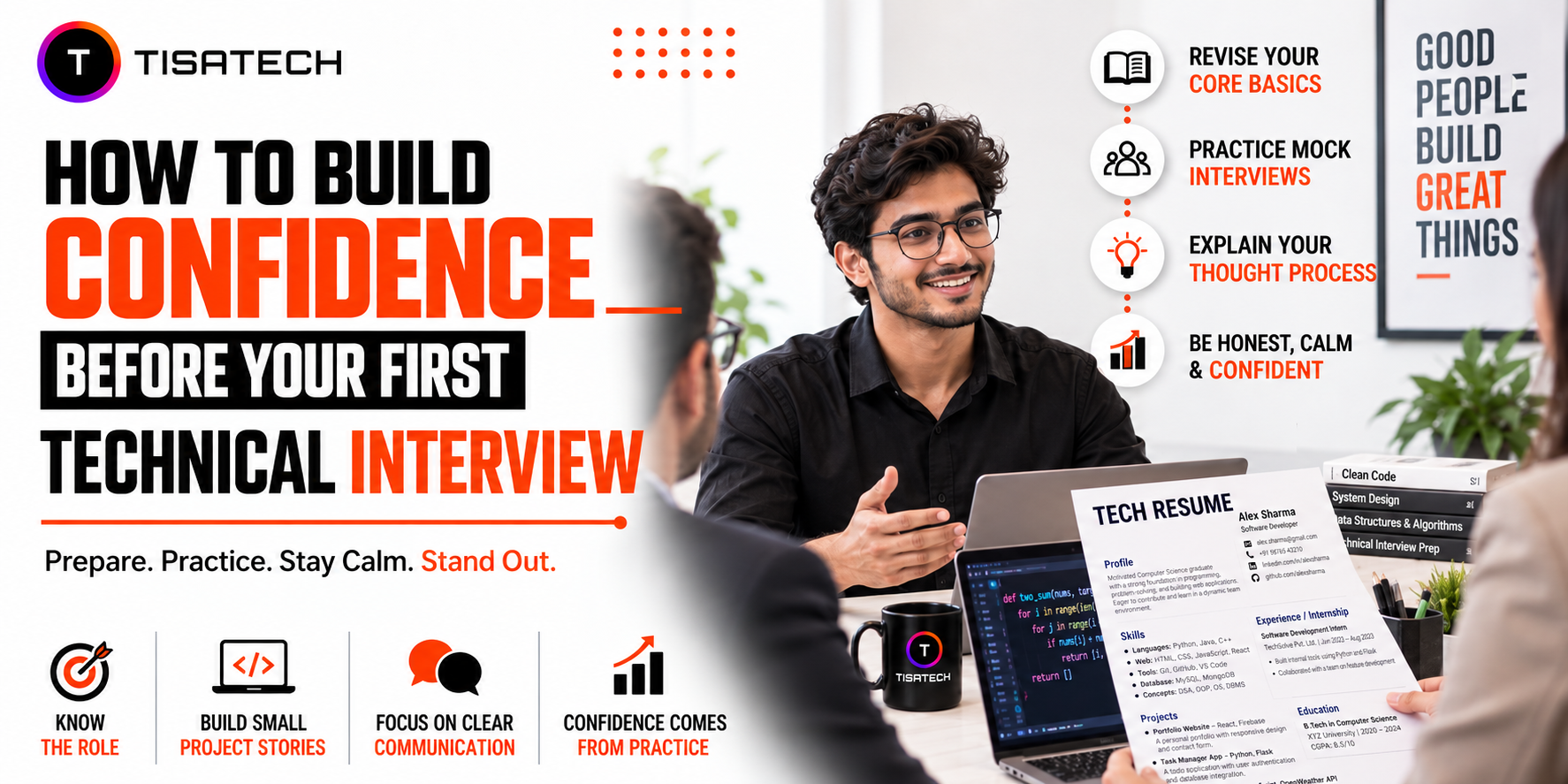
Practise With Mock Interviews
Students should use mock interviews to test their technical knowledge and communication skills before a real interview. They should practise mock interviews with a mentor, trainer or classmate. During practice, they should clearly explain their best project, the problems they faced and how they solved them. Mock interviews also help students find weak areas and improve them before the actual interview.
Start Applying for Relevant IT Jobs
Do not wait for the course to finish before starting the job search. Students should look for suitable fresher roles on LinkedIn, job portals and company career pages. Apply for jobs that match the skills learned during the course instead of applying everywhere. This is an important part of how to prepare for a job before the IT course ends.
Track Applications and Build Professional Connections
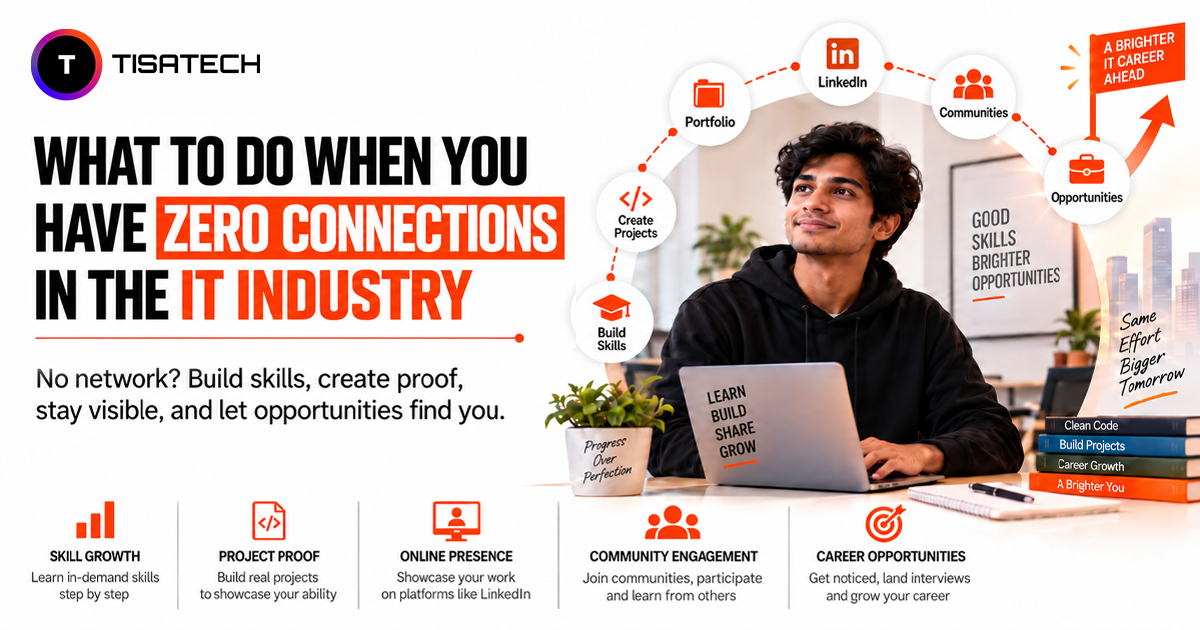
Keep a record of companies, job roles, application dates and follow-ups to manage the job search properly. Students should also connect with alumni, trainers and professionals in their target field. These connections can help them learn about relevant opportunities and improve their placement readiness for freshers.





Where Can Jaipur Students Find IT Courses With Placement Support?
Students should look for IT courses that combine practical training with proper career support. Learning technical skills is important, but students also need projects, resume guidance, interview practice and access to job opportunities before the course ends.
This is where TISA-TECH in Jhotwara, Jaipur, fits well. Its courses focus on practical learning, so students build projects while learning instead of waiting until the end of the course. These projects can later be improved, added to a portfolio and used to show practical skills during job applications and interviews.
Along with practical project work, TISA-TECH also supports students during the hiring process. It provides resume support, mock interview practice, career guidance and connections with hiring partners. This helps students move from course completion to job applications with better preparation and a clearer direction.
Conclusion
The final 30 days of an IT course can play an important role in career preparation. Students should use this time to complete strong projects, build a portfolio, update their resume and LinkedIn profile, practise interviews and start applying for relevant jobs.
A good IT course final month preparation helps students turn what they learned into clear proof of practical skills. A certificate shows course completion, but projects, interview performance and practical work show whether a student is ready for a job.
FAQs Section
Ans. Students should focus on completing strong projects, updating their resume and LinkedIn profile, preparing a portfolio and practising for interviews. They should also start looking for suitable job opportunities before the course ends.
Ans. Students should revise the core concepts of their chosen field and practise common technical questions regularly. They should also prepare to explain their projects and problem-solving approach clearly.
Ans. Students should start applying before the course officially ends. Once the resume, portfolio and basic interview preparation are ready, they can begin searching for suitable fresher roles.
Ans. TISA-TECH in Jhotwara, Jaipur, offers practical IT training with project work, resume support, mock interviews, career guidance and connections with hiring partners.
Ans. GitHub is especially useful for development students because it gives recruiters a direct view of their code and projects. Students from other fields should use a portfolio platform that suits their work.