
Yes, students can get a tech job with average marks. If you are in your final year of college and worried about placements, relax- you are not alone. Thousands of students in Jaipur and other Tier 2 cities feel the same stress every season. They keep checking their marks and wonder if those marks are enough.
The truth is clear. Good marks hardly matter in the tech industry today. Skills matter more than percentages on a mark sheet, and hiring data proves it. In early 2026, tech job openings slowed down, but that shift actually helped skilled candidates. Companies now hire more carefully, and careful hiring means they look at what a candidate can actually do instead of only checking degrees and percentages. Students with internships, real projects, and hands-on training often perform better in interviews than those with only strong academic scores.
Big companies like TCS and Infosys still keep a basic cutoff, usually around 60 percent, just to filter huge numbers of applications. But once that filter is cleared, marks stop mattering. Product companies, startups, and mid‑sized tech firms often skip the marks filter completely. They judge candidates directly on coding tests, projects, and problem-solving ability.
So grades only matter for a few doors, and most of the tech industry has other doors open. Tech jobs are no longer reserved for toppers. They are open to anyone who can show practical ability and confidence through projects, internships, or hands‑on work.

Soft Skills That Matter as Much as Technical Skills
Technical skills may open the door, but soft skills decide how far you go once you are inside. Recruiters notice these traits quickly during interviews, even before they check your code.
- Willingness to learn: Technology keeps changing, so companies want people who stay curious and keep learning instead of getting stuck with what they already know.
- Consistency: Showing up every day, finishing tasks, and improving step by step builds more trust than last‑minute effort before an interview.
- Communication: Clear English during interviews and daily work matters more than most students expect. Many capable candidates lose offers because they cannot explain their thought process, not because their skills are weak.
- Discipline: Following a study plan, practicing coding regularly, and completing projects without reminders shows recruiters that you can handle real responsibility.
These traits never appear on a mark sheet, yet they often decide who gets hired over someone with higher grades. When combined with technical skills, they give recruiters the complete picture they are looking for.
Where Should You Build Your Skills?
The good news is simple. There is no single path into tech, and an average student can pick whichever field suits them best.
- Full stack development: React for front end and Node.js for back end remain one of the safest starting points.
- Data analytics: Python and SQL are enough to open doors at companies that need people to read and explain numbers.
- Cloud platforms: AWS and Microsoft Azure are in demand as businesses move away from physical servers. Adding generative AI knowledge makes your profile stronger.
- Cybersecurity: More Indian businesses are online, so the need for people who can spot and fix security issues keeps rising.
- UI/UX design: Skills in Figma, design thinking, and user research help create smooth, user‑friendly apps and websites.
- Graphic design: Tools like Photoshop, Illustrator, and Canva are useful for visuals in apps, websites, and marketing campaigns.
- Digital marketing: SEO, social media, and content marketing skills are valuable for promoting products and reaching the right audience.
None of these skills need perfect marks. They need practice, curiosity, and consistency. That’s why even average students can build strong careers, the industry now values skills over grades.
How to Get a Tech Job with Average Marks: A Real Path
Getting a tech job with average marks is possible. The key is to focus on skills and real projects instead of worrying too much about grades
Build projects
Make three or four solid projects and upload the code on GitHub. A working app matters more in interviews than certificates.
Do internships
Paid or unpaid internships give real work experience and stories to share in interviews.
Contribute to open source
Shows recruiters you can collaborate with others, follow coding practices, and work on real projects.
Target the right companies
Big recruiters filter by marks, but startups, product companies, and mid‑sized firms focus more on coding rounds and projects.
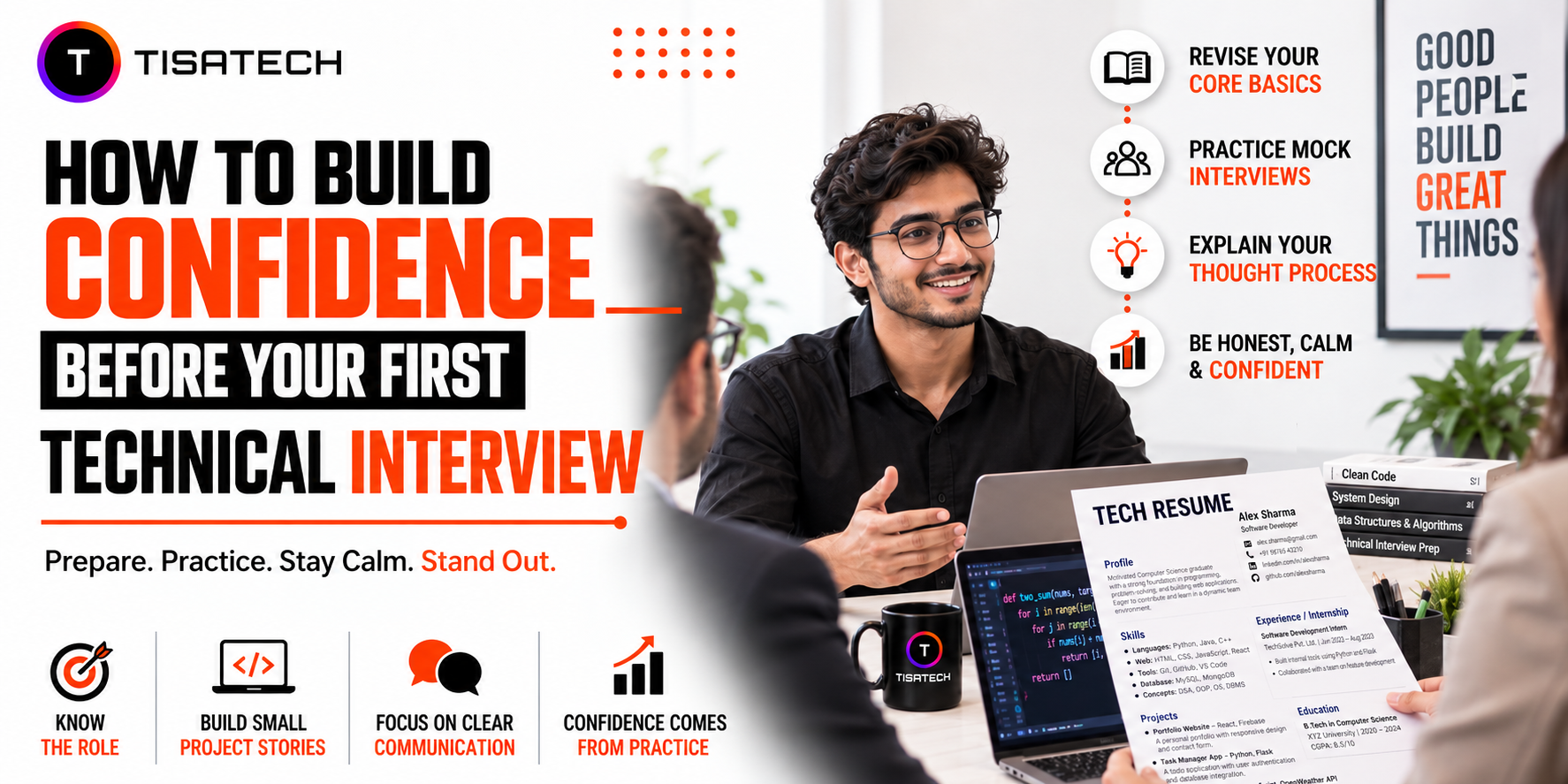
Prepare for interviews
Technical interviews decide the outcome more than academic history, so practice coding and problem-solving seriously.





Best Place to Learn the Right Skills in Jaipur
Choosing the right skills is important, but learning them the right way makes all the difference. In Jaipur, TISA‑TECH at Jhotwara offers AI‑powered courses designed around what recruiters actually want in 2026, not outdated college syllabi.
Students here work on live projects in full stack development, data analytics, and applied AI tools. Trainers focus on what technical interviews really test, so learners build practical problem‑solving skills instead of just memorizing theory.
The best part is that enrollment is open to everyone. TISA‑TECH doesn’t judge students by past marks, because the core idea is simple: skills decide outcomes, not grades.
With placement support like resume reviews, mock interviews, and recruiter connections, students in Jaipur get a clear path from average marks to real tech job offers. Many also explore freelancing or startup opportunities once they gain confidence through projects.
Conclusion
Average students can get tech jobs in 2026. Marks may help at the start but they stop mattering once the interview begins. Projects, internships, open source work and practical skills decide the outcome. Companies now hire based on skills, not grades. Tech jobs for average students are becoming common. Waiting for better marks wastes time. Building skills and real work is the smarter choice.